Your cart is currently empty
What Are Modeling Digitals & Why You Should Invest in Quality
April 15, 2025
What Are Modeling Digitals? Why Get Them Done Professionaly?
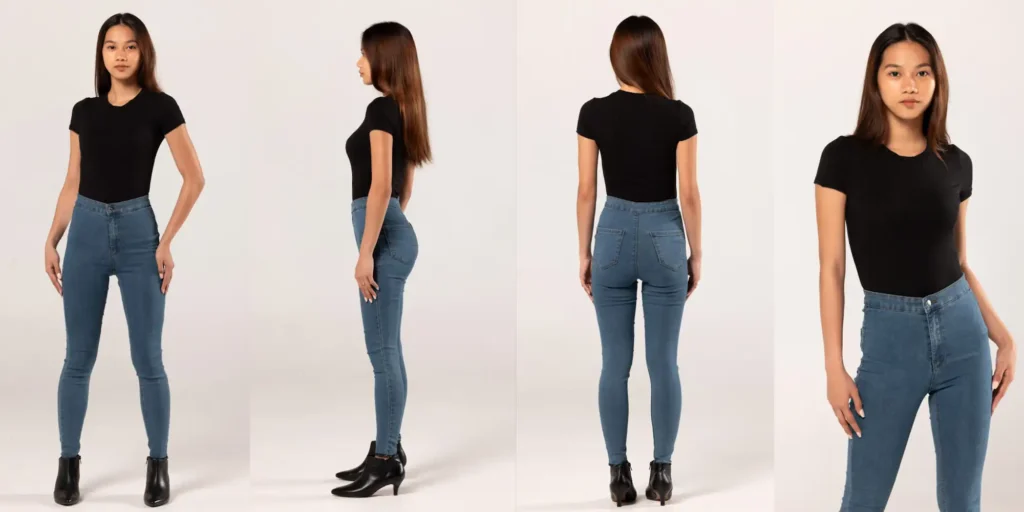
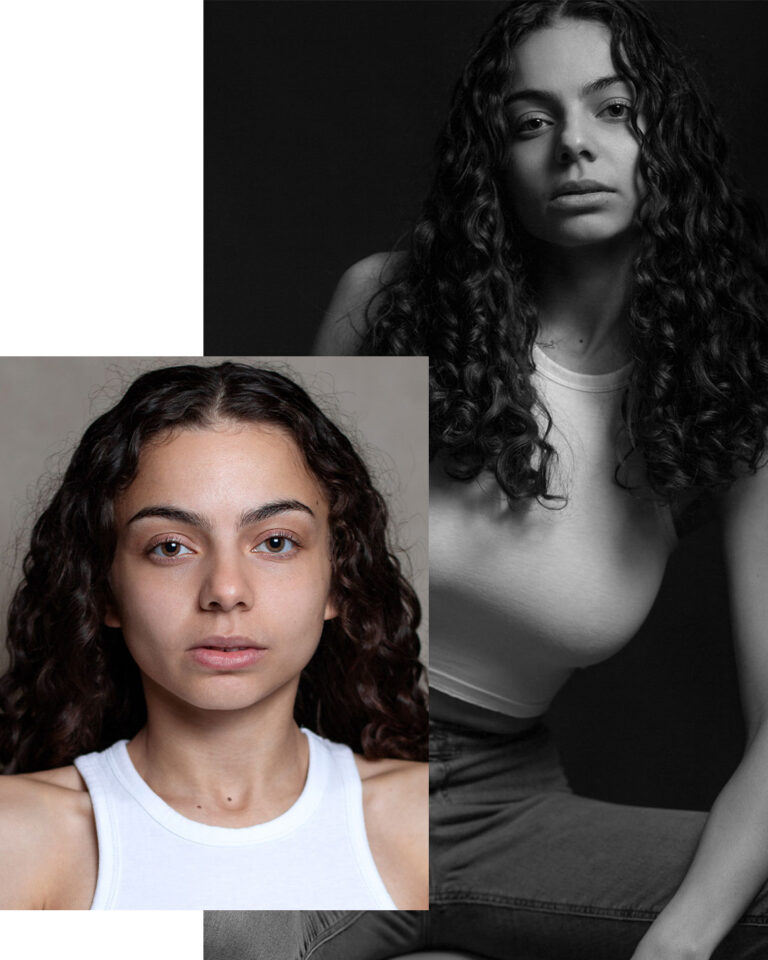
Modeling digitals — once called polaroids — are simple, natural snapshots that show your current look without all the glam. Think minimal makeup, natural hair, and clean, form-fitting clothing. These photos are meant to highlight your raw features and are often used by agencies to assess your potential. A strong set typically includes a headshot, a full-body shot, a profile, and possibly a swimsuit photo if you’re aiming for certain types of gigs.
While these can technically be taken on a smartphone, the quality of your images speaks volumes about your personal brand. A clean background, flattering lighting, and the right contrast can make all the difference — and that’s where a professional photographer comes in. If you’re serious about standing out in a competitive industry, investing in high-quality digitals could be your first smart move.
Let’s Talk About Lighting: Why It Matters for Your Modeling Digitals
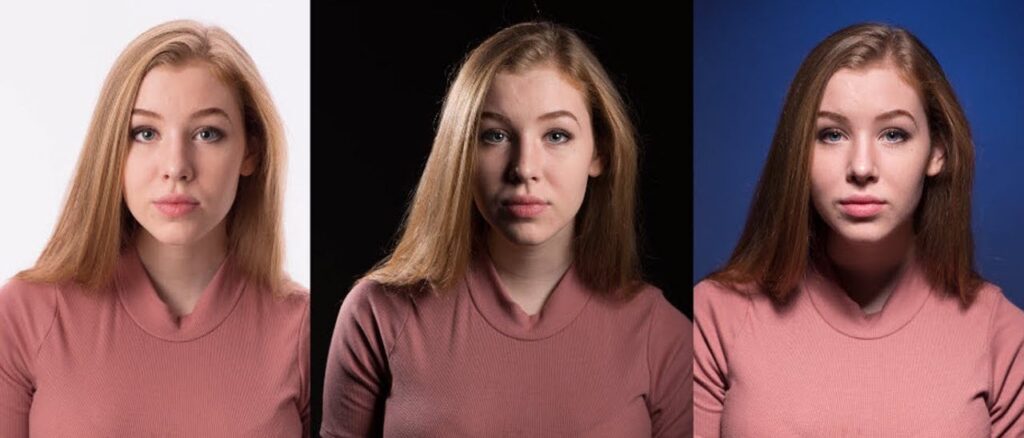
Not all light is created equal — and when it comes to modeling digitals, lighting can make or break your shots. Natural sunlight may seem like a good idea, but direct sunlight tends to be harsh and unflattering. While shooting in the shade is often better, even that can come with challenges. Nearby surfaces, like a yellow wall or green grass, can reflect color onto your skin, creating unwanted tones you might not notice right away.
Indoor lighting isn’t always the solution either. Most household bulbs aren’t the same color temperature as natural daylight, and while ring lights or basic equipment might help a little, they often fall short—especially when trying to evenly light a full-body shot or maintain a clean, flattering background.
This is where a professional photographer truly shines. In a studio setting, they have access to high-end lighting and modifiers designed to flatter your features, enhance your skin tone, and give your digitals the polished, professional look agencies expect. From soft, even light for your headshots to dramatic contouring for full-body images, great lighting truly elevates your presentation.
The Background: Keep It Clean and Contrasting
When it comes to modeling digitals, your background should work with you, not against you. That means choosing a color that contrasts with your skin tone — if you’re very fair, skip the all-white or off-white walls; if you’re dark-skinned, avoid dark or shadowy backdrops. The goal is to make sure you stand out clearly in the frame.
A solid wall with a clean floor is a simple go-to, but for a more polished look, a seamless background is ideal. This is typically a solid color backdrop that flows from wall to floor without any hard lines or breaks — giving your images a smooth, professional finish.
Photographers who shoot in studio spaces usually have the ability to control and fine-tune the background color and lighting. This ensures it complements both your skin tone and outfit, helping you look your best in every frame.
The Camera: Why Your Smartphone Might Not Be Enough
Sure, smartphones have come a long way — and yes, they’re convenient and can take pretty solid photos. But when it comes to modeling digitals, “pretty good” might not cut it. Many smartphone cameras, even the latest models, lack the proper portrait focal lengths, which can subtly distort your features and create less-than-ideal results. What looks fine to the average person might stand out — in a bad way — to agencies and professionals reviewing your images.
A professional photographer, on the other hand, uses full-frame mirrorless or DSLR cameras with high-quality lenses specifically chosen to flatter your face and body. These setups capture sharper, more accurate, and far more polished representations of you — exactly what you want when you’re marketing yourself as a model.
Think of it like this: both a Ford and a Ferrari will get you from point A to point B, but the experience, quality, and impression left behind are worlds apart. If you have the option to show up as the Ferrari, why settle for anything less?
Post-Production: Keeping It Natural, But Polished
One of the golden rules of modeling digitals is that they should remain unretouched — the whole point is to showcase the model in their most natural state. Agencies want to see the real you, without heavy edits or filters.
That said, minor touch-ups that don’t change your actual appearance can be acceptable. Think of it like cleaning up the image, not altering it. For example, removing a distracting flyaway hair, a speck of lint on your outfit, or a temporary blemish that doesn’t reflect your usual look can help keep the focus where it belongs — on you — without compromising the integrity of the shot. When done subtly and sparingly, light post-production can enhance your digitals while still honoring their purpose.
After Your Modeling Digitals: Building Your Portfolio
Once your modeling digitals are done, the next step is building a strong portfolio — something potential clients and agencies will definitely want to see. If you’re just starting out and don’t have much (or any) work to showcase yet, that’s totally fine. This is where working with a professional photographer can help you create a starter portfolio tailored to the types of modeling you want to pursue.
For example, if you’re aiming for e-commerce fashion, a studio shoot in multiple outfits against a clean, white background is a great start. If you’re more interested in lifestyle modeling, then think natural light, outdoor locations, or cozy indoor setups that reflect real-world settings. The goal is to create 6–12 polished images that show your versatility and how you’d look in an actual campaign.
Professional digitals give you a major edge because they’re shot with the same kind of gear used in real commercial work. This makes it easier for agents and clients to picture you in that world. And in such a competitive industry, every advantage counts — especially when it brings you one step closer to getting booked.
That’s a Wrap!
Modeling digitals are your first step into the industry — clean, natural snapshots that show exactly what you look like without heavy makeup, styling, or filters. From choosing the right lighting and background to wearing form-fitting clothes that highlight your shape, every detail matters. While smartphone cameras might seem convenient, nothing compares to the quality, accuracy, and professionalism of a studio shoot. Great lighting, proper lenses, and subtle post-production can make a huge difference — helping you stand out in a sea of aspiring models.
Once your digitals are done, the next step is building a strong, targeted portfolio that reflects the kind of modeling work you want to book — whether that’s e-commerce, lifestyle, or something in between. As a professional photographer, I can help you create high-quality digitals and craft a portfolio that not only highlights your best features, but also positions you to be seen as campaign-ready by agents and clients. Ready to start your modeling journey with confidence? Let’s shoot.